
The work came back from research with a green light. Scores in the band. No confusion on the message. Legal signed it. The board called it on-brand.
A week later, nobody could describe it without looking at the slide.
That is the most expensive kind of success. It is approved, and it is already gone.
Approval is not the job
Most creative processes are built to survive the room, not the week after. You can feel it in the rounds. Edges get sanded so nobody has to defend them. Colour gets safer. The line gets closer to a sentence the category already knows how to hear. By the time it ships, it is competent. Competence is what people forget first.
Memory is rude. It keeps the thing that would not sit still and throws the rest away. If the work did not leave a mark — a line, a picture, a small wrongness that someone repeated in a corridor — it did not finish its job. It finished ours, in the meeting. Those are not the same event.
Make a platform, then make it properly
A campaign that only works as a single execution is a stunt. A platform is a thought you can return to: in film, in a layout, in a pack, in a line someone can say out loud without a script. The test is whether the idea still holds when you take the production budget away. If it dies, it was decoration.
Then you make it to the standard the idea deserves. Art direction that can be recognised from across a street. Film that has been cut, not merely assembled. Identity that can survive a bad photocopy. Copy that would still be true if nobody was watching. That is craft. It is slower than a moodboard, and it is why the work lasts long enough to be useful.
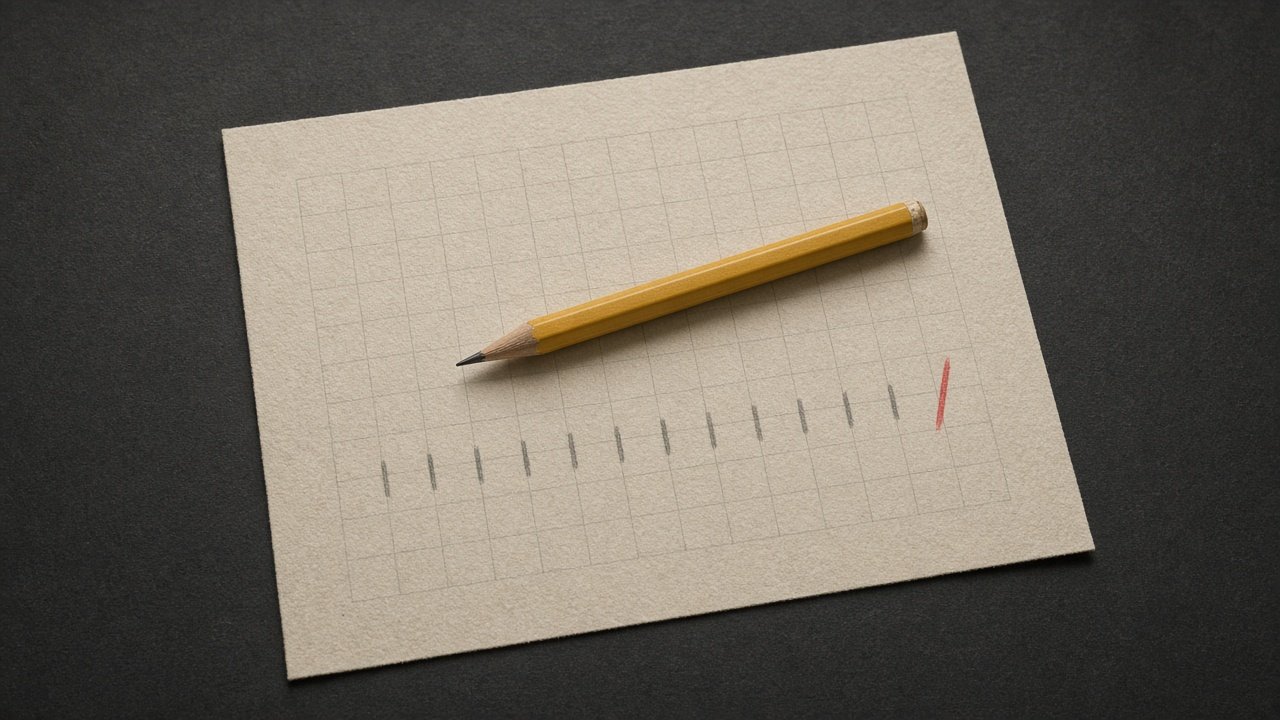
The thirteenth mark
Twelve versions that everyone can live with will get you through the week. The thirteenth is the one that is slightly harder to defend, slightly more itself, and the only one anyone quotes. We will argue for that one. Not because it is louder. Because it is the one that still exists after the deck is closed.
If the work tests fine and vanishes, bring us the fine version. We will find the one that does not sit still.